

What Does Warehouse Management Do? The Ultimate Guide for Logistics Directors
What does warehouse management do? It encompasses the strategic coordination of receiving, tracking, storing, and shipping inventory while optimizing space, labor, and equipment for maximum profitability. We know firsthand that managing these massive logistics ecosystems is no small feat, as it requires juggling daily floor operations with long-term safety and efficiency goals.

Over the years spent walking distribution center floors, we have seen how minor process inefficiencies quickly compound into massive revenue leaks for growing businesses. Understanding the core mechanics behind these operations is the absolute first step toward transforming a chaotic storage facility into a highly synchronized, profit-generating powerhouse.
Key Takeaways
- Effective management synchronizes labor, inventory, and machinery to eliminate costly operational bottlenecks.
- Strategic space utilization and digital tracking drastically reduce order fulfillment times.
- Rigorous safety protocols and equipment maintenance are foundational to sustained facility productivity.
1. warehouse management functions
At its core, the primary goal is maintaining absolute control over the physical movement of goods from the moment a truck hits the loading dock until an outbound pallet leaves the facility. Mastering these internal processes allows us to scale effectively, which is why optimizing our logistics and warehouse management protocols remains a top priority. When handling large-scale material movement, rigorously managing forklift operations ensures that our heavy machinery aligns perfectly with our overarching inventory goals, preventing operational bottlenecks before they occur.

1.1 warehouse operations management
- Overseeing the daily influx and outflow of inventory requires constant vigilance to ensure no physical delays occur on the facility floor. Directors must synchronize the dock scheduling with internal put-away teams to prevent staging areas from becoming dangerously congested during peak hours. This proactive scheduling keeps the supply chain moving smoothly.
- Coordinating internal material handling equipment fleets ensures that operators are always available for high-priority pallet retrievals and bulk shipments. We meticulously route our industrial vehicles through designated zones to minimize unnecessary travel time and maximize the hourly throughput of every single shift. Efficient routing directly impacts the bottom line.
- Establishing rigorous quality control checkpoints at both receiving and dispatch guarantees damaged goods never enter undetected. Catching a single crushed carton before it hits the storage racks saves countless hours of inventory reconciliation. This strictly protects your vital brand reputation with demanding end consumers.
1.2 Strategic Inventory Tracking
- Maintaining pinpoint accuracy regarding stock levels prevents the disastrous scenarios of unexpected stockouts or severely overcrowded storage racks. By implementing strict cycle counting routines, we continuously verify our digital inventory records against physical stock. This ensures our sales teams always have reliable data to process massive corporate orders.
- Analyzing historical seasonal demand data allows facility leaders to strategically reposition high-volume products closer to the primary shipping docks. Slotted optimization drastically reduces the physical distance our picking teams must travel. This shaves crucial seconds off every single order and significantly boosts our daily outbound shipment volume.
2. warehouse management responsibilities
Taking charge of a sprawling logistics center involves shouldering immense accountability for both the physical assets and the human workforce operating within those concrete walls. It is a balancing act of enforcing strict safety mandates while pushing for higher daily throughput targets. By leveraging a robust warehouse management system, directors can gain granular visibility into every task, ensuring that overarching facility goals are consistently met. Pairing this digital oversight with a dedicated labor management system allows leaders to fairly evaluate worker performance and assign daily duties without relying on biased guesswork.

2.1 warehouse management duties
- Enforcing rigorous workplace safety standards is arguably the most critical daily obligation for any logistics director overseeing heavy machinery operations. Conducting daily floor walks to identify potential hazards like blocked emergency exits prevents catastrophic accidents. This simple habit keeps the facility fully compliant with strict federal OSHA regulations.
- Developing and actively refining standard operating procedures ensures that every employee executes their tasks with uniform precision and safety. When a newly hired picker knows exactly how to build a stable pallet, we drastically reduce the likelihood of in-transit product damage. This directly lowers subsequent customer return requests.
- Managing the delicate relationship with third-party freight carriers guarantees our outbound shipments hit their designated delivery windows without expensive delays. Negotiating load times and holding truck drivers accountable to our strict dock schedules keeps our staging lanes clear. This prevents our internal team from falling disastrously behind schedule.
- Overseeing routine facility maintenance tasks protects our massive capital investments in racking infrastructure, conveyor belts, and climate control systems. Catching a failing freezer compressor or a bent steel upright early prevents sudden operational shutdowns. Avoiding these mechanical failures stops the entire distribution network from paralyzing for unprofitable days.
2.2 Staff and Labor Allocation
- Forecasting anticipated daily order volumes enables managers to schedule the exact number of shift workers required to hit our outbound goals. Bringing in too many associates inflates our daily labor costs unnecessarily. Conversely, understaffing leads to worker burnout, missed shipping deadlines, and incredibly frustrated end corporate customers.
- Assigning specific tasks based on individual worker certifications and physical capabilities maximizes the overall efficiency of the shift. We deliberately position our most experienced high-reach forklift operators in the narrowest storage aisles. This leaves the simpler ground-level order picking duties to our newer, less experienced seasonal warehouse staff.
- Fostering a positive, safety-first workplace culture directly combats the notoriously high employee turnover rates plaguing the modern logistics industry. Taking time to actively listen to floor workers’ operational concerns builds massive trust. Publicly rewarding exceptional performance creates a fiercely loyal team that consistently exceeds standard productivity metrics.
3. improve warehouse efficiency
Transforming a sluggish distribution center into a high-speed logistics hub requires relentless attention to every internal process. We constantly analyze the workflow from the receiving docks to the final dispatch lanes, looking for minor bottlenecks that drain daily throughput. Implementing proven warehouse optimization techniques allows our facility managers to systematically eliminate wasted motion and redundant material handling. By continuously refining these core operations, we ensure that every square foot of the facility actively contributes to the overarching goal of rapid, cost-effective order fulfillment.

3.1 Optimizing Layout and Space Utilization
- Restructuring your physical floor plan directly eliminates wasted travel time for your internal picking staff. By analyzing heat maps of your most frequently picked items, we strategically group these high-velocity SKUs directly adjacent to the shipping docks. This simple layout adjustment instantly accelerates your daily order fulfillment rate.
- Maximizing vertical storage capacity prevents the immediate need for expensive facility expansions or off-site overflow rentals. We strongly advocate installing taller, high-density racking configurations alongside specialized narrow-aisle lift trucks to utilize upper airspace. This strategic upward growth immediately increases your total holding capacity without expanding the structural footprint.
3.2 Streamlining Receiving and Put-away
- Mandating advance shipping notices from all inbound vendors completely eliminates surprise dock congestion during peak operational hours. Receiving teams can pre-allocate staging areas and assign specific personnel before the delivery truck even arrives. This proactive preparation ensures inbound freight is unloaded and processed with maximum speed.
- Deploying strategic cross-docking procedures allows fast-moving inventory to bypass the storage racks entirely upon facility arrival. Our operators transfer these critical pallets directly from the receiving bay straight into waiting outbound trailers. Skipping the traditional put-away phase drastically reduces handling costs and accelerates final customer delivery times.
- Equipping receiving personnel with mobile workstations prevents them from constantly walking back to a centralized office desk. They can instantly print barcode labels, verify digital manifests, and assign storage locations right inside the trailer. This mobility drastically cuts down on administrative delays during heavy inbound freight periods.
3.3 Accelerating Picking and Packing
- Transitioning from basic single-order picking to advanced zone or batch picking methodologies dramatically condenses daily walking paths. Workers remain stationed in dedicated aisles, selecting items for multiple different orders simultaneously into segmented carts. This structural shift drastically increases the sheer volume of lines picked per labor hour.
- Standardizing your packing stations with right-sized boxes and automated tape dispensers removes unnecessary manual guesswork for your fulfillment team. Providing operators with clear, ergonomically designed workstations ensures they can secure fragile goods rapidly and safely. This uniformity guarantees consistent package protection while maintaining a blazing-fast outbound pace.
3.4 Automating Shipping and Dispatch
- Integrating automated rate-shopping software directly into your dispatch terminals guarantees you always select the most cost-effective freight carrier. The system instantly compares dimensional weight, destination zones, and delivery windows across multiple providers in real time. This software effortlessly shaves substantial costs off your annual outbound freight budget.
- Installing motorized sortation conveyors routes finished packages directly to their designated outbound dock doors without manual intervention. This eliminates the need for floor workers to drag heavy pallets across the facility by hand. The continuous automated flow keeps the dispatch area completely clear of dangerous, congested bottlenecks.
- Implementing inline automated print-and-apply labeling machines stops the tedious, error-prone process of slapping shipping stickers on manually. As boxes speed down the conveyor line, the machine flawlessly applies the correct routing barcode every single time. This hardware upgrade is essential for handling massive seasonal e-commerce volume spikes.
- Synchronizing your dispatch schedules with advanced telematics can significantly increase forklift efficiency at the loading dock. Fleet managers route the closest available lift truck to the staging lane exactly when the carrier backs in. This tight coordination prevents expensive idling and gets trucks back on the road faster.
4. reduce warehouse errors
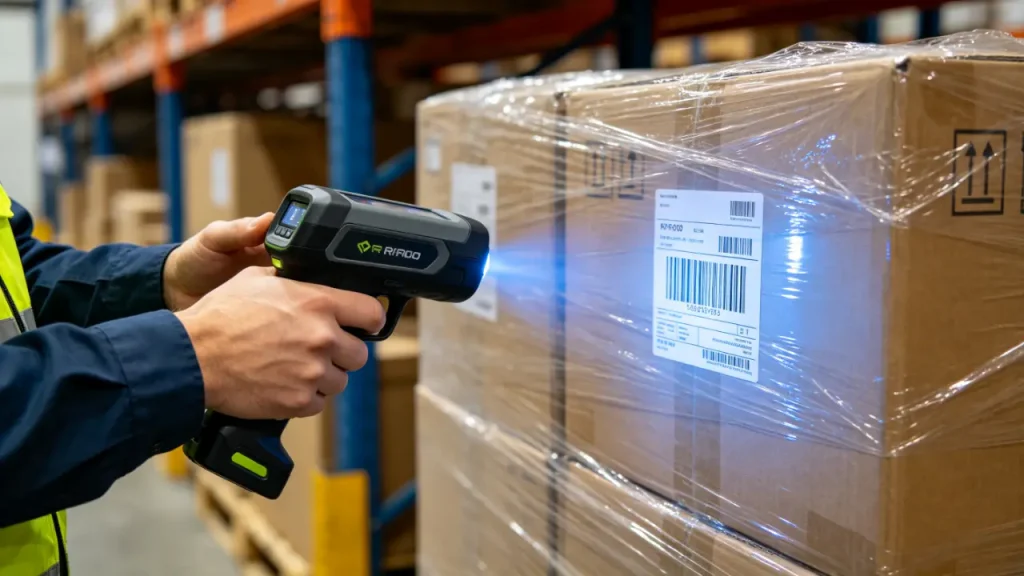
Mistakes on the facility floor are incredibly expensive, often resulting in lost inventory, irate customers, and heavily duplicated labor efforts. We recognize that human error is inevitable during grueling shifts, which is why deploying redundant digital safeguards is absolutely critical for operational stability. Transitioning away from outdated paper trails toward highly automated, verifiable data collection systems immediately stops costly mispicks and shipping mistakes. Cultivating an environment where accuracy is technically enforced guarantees that your logistics network operates with absolute precision every single day.
4.1 Implementing Barcode and RFID Systems
- Replacing manual data entry with universal barcode scanning instantly standardizes how your inventory is received, moved, and shipped. When a worker scans a bin location, the system mathematically verifies they are interacting with the correct product. This hard stop prevents an operator from accidentally pulling the wrong item.
- Upgrading to a comprehensive forklift rfid system allows your vehicles to autonomously log pallet movements without driver intervention. As the truck passes through designated portal gates, the antennas instantly read the entire load’s tags. This hands-free data capture entirely eliminates the human forgetfulness associated with manual location transfers.
- Executing automated digital cycle counts using mobile scanning hardware maintains pristine inventory accuracy without halting daily operations. Instead of shutting down the building for a massive annual audit, operators verify small sections continuously during their shifts. This ongoing reconciliation ensures your digital stock levels perfectly match physical reality.
4.2 Real-time Data Synchronization
- Connecting your floor scanners directly to a centralized cloud server guarantees that every department views the exact same inventory data. If a picker grabs the last unit of a specific SKU, the sales dashboard updates instantaneously. This immediate visibility entirely prevents customer service teams from selling out-of-stock merchandise.
- Providing floor managers with live, interactive heat maps of current task progress prevents critical outbound deadlines from slipping. If the dispatch lane falls dangerously behind schedule, supervisors can instantly reassign workers from receiving to help. This dynamic labor balancing keeps the daily workflow perfectly synchronized and error-free.
4.3 Digital Checklists and Audits
- Transitioning your fleet maintenance routines to a dedicated forklift inspection app ensures drivers never skip their mandatory pre-shift safety checks. The software forces operators to digitally acknowledge critical checkpoints like brake function and hydraulic fluid levels before ignition. This strict digital accountability drastically reduces preventable mechanical failures.
- Requiring photographic proof of inbound freight damage directly within your receiving software eliminates lengthy disputes with careless shipping carriers. The dock worker snaps a picture of the crushed pallet, instantly attaching it to the digital receiving manifest. This irrefutable visual evidence significantly expedites your external freight claim reimbursement process.
- Programming automated corrective action triggers into your audit software ensures that documented safety violations are actually resolved promptly. If an inspector flags a broken rack upright, the system automatically emails a high-priority work order to maintenance. This closed-loop process guarantees critical facility repairs never slip through the cracks.
4.4 Cross-Training Your Workforce
- Training your inbound receiving associates to perform outbound packing duties creates a highly flexible, deeply versatile labor pool. When sudden shipping volume spikes occur, management can seamlessly shift cross-trained staff to exactly where they are needed most. This agility prevents bottlenecks without requiring expensive temporary staffing agency interventions.
- Teaching operators the specific pain points of adjacent departments fosters a culture of mutual respect and careful material handling. When a picker understands how sloppy pallets ruin the shrink-wrapping process, they naturally start building tighter, safer loads. This holistic operational empathy dramatically reduces internal damage and downstream frustration.
4.5 Leveraging IoT for Safety and Compliance
- Equipping your floor personnel with connected wearable sensors provides real-time alerts when they enter dangerously congested lift truck zones. These devices vibrate aggressively if a worker steps blindly into a high-traffic intersection without looking. This proactive technology drastically drops the frequency of catastrophic pedestrian collisions.
- Installing intelligent proximity alarms on your heavy machinery automatically triggers forced speed reduction when entering crowded pedestrian aisles. The vehicle senses the dense environment and digitally limits the throttle, regardless of the operator’s foot pressure. This automated governance takes the critical safety decision completely out of human hands.
- Deploying wireless climate sensors inside cold storage zones continuously monitors ambient temperatures to protect highly sensitive perishable inventory. If a freezer door is accidentally left open, the system instantly texts the facility manager an urgent warning. Catching these temperature fluctuations early saves tens of thousands in spoiled goods.
- Generating automated digital compliance reports from your integrated IoT network makes federal OSHA audits a completely stress-free experience. Managers can instantly pull months of verifiable safety data, including vehicle impacts and daily digital inspection logs. This total operational transparency firmly protects your business from severe regulatory fines.
5. warehouse productivity
Sustaining a high-output material handling operation requires a deep, data-driven understanding of exactly how your personnel and machinery perform under pressure. We cannot improve what we do not accurately measure, which is why establishing clear, visible performance benchmarks is a non-negotiable management strategy. By actively tracking these critical metrics and investing in modern, ergonomic equipment, we empower our workforce to consistently exceed their daily volume targets.

5.1 Analyzing KPI Metrics and Reports
- Utilizing deep forklift performance analytics allows fleet directors to precisely identify which specific vehicles are underutilized or chronically abused. By studying digital idle times and impact logs, management can retrain reckless operators and rebalance the workload. This intense data scrutiny maximizes the financial return on your capital equipment.
- Tracking the total order cycle time—from the initial customer click to the final outbound scan—highlights hidden internal processing delays. Breaking this metric down by specific facility zones reveals exactly where pallets are stalling out during transit. Shaving mere minutes off this cycle time compounds into massive annual labor savings.
| Performance Metric | Traditional Manual Warehouse | Modern Automated Facility | Impact on Bottom Line |
| Order Picking Accuracy | 92% – 95% | 99.5%+ | Drastically cuts costly return shipping |
| Inventory Shrinkage | 2% – 4% Annually | Under 0.5% Annually | Protects raw profit margins directly |
| Dock-to-Stock Time | 24 – 48 Hours | 2 – 4 Hours | Enables faster capital turnaround |
5.2 Upgrading Material Handling Equipment
- Transitioning your legacy lead-acid fleet to modern lithium-ion battery technology completely eliminates mandatory mid-shift battery swapping downtime. These advanced power cells allow operators to quickly opportunity-charge their vehicles during standard lunch breaks. This keeps your essential machinery actively running on the floor for all three shifts.
- Procuring lift trucks featuring advanced ergonomic cabins drastically reduces the chronic physical fatigue experienced by your veteran operators. Suspension seats, intuitive joystick controls, and specialized vibration-dampening floor mats keep drivers highly focused and physically comfortable. A pain-free operator is significantly faster, safer, and infinitely more productive.
- Retrofitting your older vehicles with comprehensive industrial material handling solutions bridges the gap between legacy hardware and modern safety standards. Adding aftermarket telemetry modules provides GPS tracking and digital access control without buying brand new trucks. This is a highly cost-effective method to instantly modernize an aging logistics fleet.
- Introducing automated guided vehicles (AGVs) for repetitive, long-haul pallet transfers frees up your skilled human drivers for complex tasks. Robots flawlessly execute the monotonous cross-facility runs, allowing your veteran operators to focus entirely on high-density storage retrieval. This strategic labor division maximizes the hourly output of your entire operation.
5.3 Continuous Improvement Cycles
- Applying strict Lean Six Sigma methodologies to your daily floor operations ruthlessly identifies and eliminates non-value-added material handling steps. Management conducts rigorous time studies on standard picking routes to mathematically prove where seconds are being wasted. This highly analytical approach creates a relentlessly efficient, perfectly synchronized distribution center.
- Establishing formal feedback loops with your frontline floor staff uncovers hidden operational bottlenecks that executive data dashboards completely miss. The workers physically loading the trucks intimately know exactly which broken dock plates are slowing them down. Acting immediately on their practical suggestions builds incredible trust and spikes daily morale.
- Conducting intensive quarterly strategic reviews allows logistics directors to pivot their operational plans based on shifting macroeconomic supply chain trends. Analyzing upcoming seasonal volume spikes ensures you procure enough rental equipment and temporary labor well in advance. This proactive foresight keeps the facility running smoothly when the busy season hits.

Mastering the intricate web of daily logistics operations is far more than just storing pallets on steel racks; it is about orchestrating a highly synchronized ballet of heavy machinery, specialized labor, and cutting-edge digital tracking. We know that the pressure to execute flawless inbound and outbound freight movements never stops, especially as supply chains become increasingly volatile. By understanding and actively optimizing the core responsibilities we discussed—from intelligent labor allocation to deploying advanced IoT safety protocols—you effectively transform your facility from a chaotic storage box into a streamlined, high-yield asset. If you are ready to permanently eliminate blind-spot collisions, digitize your fleet maintenance, and drastically boost your daily throughput, reach out to our team. Let’s discuss how integrating our specialized telematics solutions and forklift safety technology can protect your bottom line and future-proof your entire distribution network.
Frequently Asked Questions
What is the primary goal of warehouse operations management? The main objective is to coordinate the physical movement of inventory as efficiently and safely as possible. This involves balancing labor schedules, routing material handling equipment, and managing dock flow to ensure that goods are received, stored, and shipped without causing costly internal bottlenecks or missing customer delivery windows.
How exactly do digital systems improve warehouse efficiency? Transitioning to digital platforms eliminates the slow, error-prone manual data entry that cripples fulfillment speeds. By utilizing barcode scanners, cloud-based inventory dashboards, and automated route planning, facility directors can process orders significantly faster while simultaneously reducing the physical walking distance required by their floor staff.
What are the most critical daily warehouse management duties? Facility leaders are strictly responsible for enforcing rigorous OSHA safety protocols, resolving sudden equipment breakdowns, and dynamically adjusting labor allocations based on unexpected freight volumes. They constantly audit the floor to ensure that every worker is following standard operating procedures and that daily shipping quotas are aggressively met.
Can specialized technology actually reduce warehouse errors? Absolutely. Implementing forced-verification technology, like RFID tracking portals and digital pre-shift inspection apps, takes the guesswork out of daily operations. When the software mathematically prevents a worker from scanning the wrong item or starting a broken machine, you fundamentally eliminate the root causes of mispicks and preventable accidents.
Why is tracking equipment performance metrics so important for productivity? You simply cannot fix inefficiencies that you are not actively measuring. Tracking specific data points like vehicle idle time, order cycle speeds, and impact occurrences allows management to pinpoint exact operational failures. This hard data justifies targeted equipment upgrades and helps single out reckless operators for critical retraining.


