

Heavy Equipment Fleet Management Software: The Key to Safer, Smarter, and More Profitable Operations
Introduction: Why Old-School Fleet Management No Longer Works
I’ll never forget one meeting we had with a site manager at a massive intermodal terminal in Houston.
He leaned back, laughed, and said, “Honestly, we’re still using clipboards and walkie-talkies to track a $12 million fleet. It’s like using a pocket calculator to run a bank.”
It wasn’t just inefficient — it was risky.
Within three months, after switching to a modern heavy equipment fleet management software integrated with real-time IoT data and predictive analytics, his downtime dropped by 22%, and near-miss incidents fell by 31%. More importantly, he could finally sleep at night knowing exactly where every loader, forklift, and trailer was—and how safely it was operating.
The old way of managing fleets by memory, paper logs, and “gut feeling” isn’t just outdated—it’s dangerous and expensive.
In this article, you’ll learn:
- What heavy equipment fleet management software actually does today (hint: it’s way more than GPS tracking)
- Why it’s now essential for improving safety, productivity, and compliance
- Real-world benefits you can expect after implementation
- How modern systems, like the ones we deploy at Teknect Global Inc., transform fleet operations in ways you can see and measure
- Key features to look for when choosing the right solution
Whether you’re overseeing a 10-unit forklift fleet or a thousand-machine construction operation, this guide will give you the insights to modernize with confidence—and avoid common pitfalls.
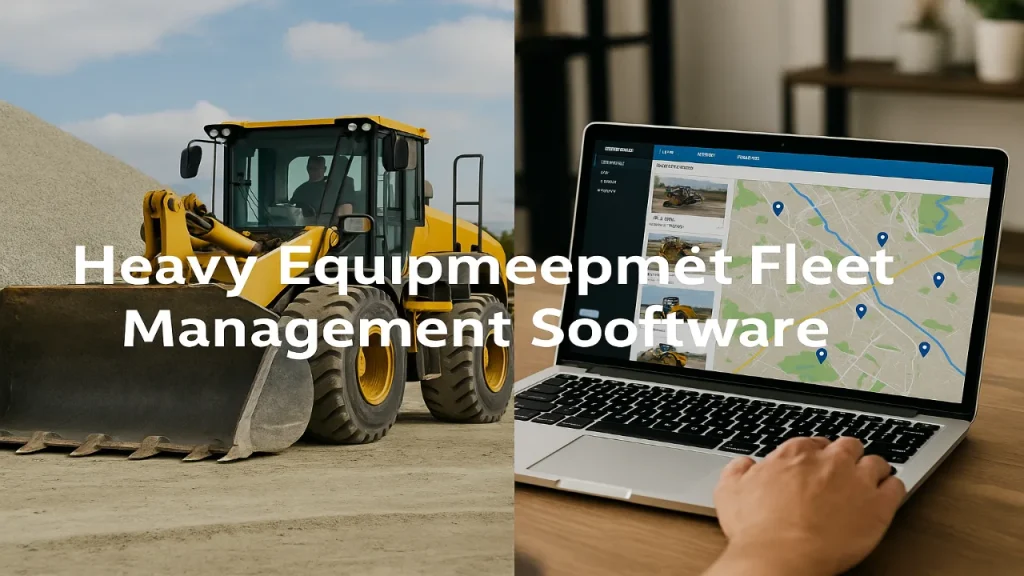
What Heavy Equipment Fleet Management Software Actually Does Today (Hint: It’s Way More Than GPS Tracking)
When people first hear “fleet management software,” they usually think about vehicle location tracking—basically, GPS dots moving on a map.
But in reality, modern heavy equipment fleet management systems are much more advanced.
They offer a complete digital nervous system for your operation—monitoring, predicting, and optimizing every key aspect of machine usage, maintenance, and operator behavior in real time.
At Teknect Global Inc., when we walk clients through a demo, they’re often shocked by how much actionable data they were missing before.
Here’s what today’s best systems really offer:
1. Real-Time Equipment Location and Status Monitoring
- Beyond GPS:
Yes, you see where every forklift, loader, or crane is—but more importantly, you also know whether it’s idling, in motion, working under load, or experiencing a fault. - Zone-Based Alerts:
Systems can create digital geofences inside the warehouse or yard.
If a forklift enters a pedestrian-only zone or exceeds a set speed, instant alerts notify supervisors and trigger automated safety responses. - Usage Patterns:
Not just where the equipment is—but how it’s being used across shifts, days, or seasons.
🔗 Deep dive: The Power of Real-Time Location Tracking in Forklift Safety
2. Automated Maintenance Scheduling and Health Diagnostics
- Preventive Maintenance Triggers:
Instead of relying on memory or fixed schedules, software monitors hours of use, idle time, fuel/battery levels, and load cycles to predict when maintenance is needed. - Fault Code Reporting:
Get automatic alerts when telematics systems detect error codes—before a breakdown happens. - Maintenance History Management:
Full digital service records reduce compliance risks and help extend asset life.
📌 Field Insight:
“One of our clients cut emergency maintenance downtime by 40% within a year just by shifting to predictive maintenance scheduling linked through their fleet software.”
3. Operator Behavior Monitoring and Safety Analytics
- Impact Detection:
If an operator hits a rack, wall, or other vehicle, it’s recorded—and can trigger automated slowdown settings or require supervisor review. - Speed Tracking:
Monitor and limit forklift speeds based on location (e.g., slower in picking zones, faster in outdoor staging areas). - Seatbelt Usage Alerts:
Some systems even verify whether operators are wearing seatbelts or if trucks are moving while unsecured. - Behavioral Scoring:
Drivers can be ranked by safe driving metrics, helping target training where it’s needed most—and rewarding your best operators.
🔗 Related: Forklift Operator Safety Monitoring: Why It’s No Longer Optional

4. Fuel, Battery, and Energy Management
- Idle Time Reports:
Track how much energy is wasted while machines sit idling unnecessarily. - Battery Management:
For electric fleets, monitor charge cycles, deep discharge events, and even schedule optimal charging periods to extend battery life. - Fuel Theft Prevention:
Fuel sensors can detect discrepancies between expected and actual consumption—flagging potential leaks or unauthorized siphoning.
5. Full Compliance and Reporting Tools
- Daily Equipment Inspections (Digitized):
Operators complete pre-shift checklists through tablets or terminals, ensuring safety checks aren’t skipped—and everything is timestamped and logged. - Incident Reports and Audit Trails:
Every impact, maintenance action, and operator violation is automatically recorded, creating a defensible compliance history for OSHA, MSHA, or ISO audits. - Regulatory Readiness:
Many systems now support integration with electronic logging devices (ELDs), emissions monitoring (for sustainability reporting), and certification tracking.

Why It’s Now Essential for Improving Safety, Productivity, and Compliance
In the past, heavy equipment fleet management was often reactive: fix what breaks, coach after an incident, hope nothing major goes wrong.
But in today’s high-volume, high-velocity industrial environments, that approach simply doesn’t cut it anymore.
Modern heavy equipment fleet management software isn’t a luxury—it’s become an essential tool for businesses that care about protecting people, staying competitive, and meeting stricter compliance demands.
At Teknect Global Inc., we’ve seen firsthand how upgrading from manual tracking to a smart fleet management system immediately moves operations from playing defense to playing offense.
Here’s why it’s now critical:
1. Safety First: Proactively Preventing Accidents
- Real-Time Visibility Reduces Risk:
Supervisors no longer have to guess where equipment is or how it’s being operated.
Alerts trigger immediately when forklifts speed through pedestrian zones, when seatbelts aren’t engaged, or when collisions happen—stopping small mistakes from becoming major injuries. - Operator Coaching Based on Real Behavior:
Instead of blanket training, fleet managers can now target the 20% of operators responsible for 80% of risky behaviors—like hard braking, harsh turns, or reckless stacking. - Automated Inspection and Maintenance Reminders:
No more relying on paper logs or memory to perform daily checks.
Fleet software ensures inspections are completed properly, and equipment stays safe to operate at all times.
🔗 Learn how our Forklift Safety Inspection Software automates critical pre-shift checklists.
📌 Field note:
“One site we worked with saw an immediate 55% drop in minor incidents simply by implementing automated slowdowns near dock doors and busy intersections linked through their fleet management platform.”
2. Productivity Gains That Scale Across the Fleet
- Less Downtime, More Up-Time:
Preventive maintenance triggered by real usage—not calendar dates—means fewer surprise breakdowns during critical shifts. - Faster Issue Resolution:
Instead of waiting for operators to notice problems, diagnostic codes and fault alerts notify technicians early, cutting repair turnaround times. - Optimized Asset Usage:
Software highlights underutilized equipment—helping you reallocate, right-size, or schedule usage more effectively to avoid unnecessary capital expenditures. - Smoother Shift Changes:
Real-time equipment handover and pre-shift status reports allow outgoing and incoming crews to transition without missing a beat.
🔗 More insights: How Telematics Drives Productivity in Forklift Operations
3. Built-In Compliance and Audit Readiness
- Automatic Record Keeping:
All inspection results, impact incidents, service logs, and operator certifications are stored digitally—easily accessible during OSHA, MSHA, or ISO audits. - Faster Reporting:
Need to submit monthly safety metrics or maintenance reports to upper management or insurers? Fleet management software generates these with just a few clicks. - Sustainability Tracking:
Many systems now include CO2 emission tracking for heavy equipment fleets—helping companies meet corporate environmental goals or qualify for green certifications.
4. Insurance Savings and Legal Protection
- Proof of Diligence:
When accidents happen (and they occasionally do), detailed electronic records show you performed your due diligence—protecting your company against liability claims. - Lower Premiums:
Companies using smart fleet management tools often qualify for reduced insurance premiums because they can demonstrate proactive risk reduction and verifiable safety practices.

Real-World Benefits You Can Expect After Implementing Fleet Management Software
You don’t invest in heavy equipment fleet management software just because it sounds good—you invest because it pays off.
And from what we’ve seen at Teknect Global Inc., the benefits show up fast—sometimes within just a few weeks.
Here’s what you can realistically expect once your fleet is connected, monitored, and optimized through smart technology:
1. Sharp Drops in Downtime and Maintenance Costs
- Predictive Maintenance Saves Big:
Instead of reacting after equipment breaks down, sensors monitor key health indicators like engine temperature, oil pressure, battery voltage, and vibration patterns—flagging potential failures early. - Planned Repairs Cost Less:
Emergency fixes are almost always more expensive than preventive maintenance.
By planning downtime during off-peak hours, you avoid costly rush jobs, emergency parts shipments, and overtime repair labor.
🔗 Learn more: Reducing Forklift Downtime Through Smart Maintenance
📌 Real example:
“One logistics center using Teknect’s fleet monitoring solution cut their unscheduled forklift downtime by 41% within the first six months, saving over $68,000 in repair and rental costs.”
2. Higher Operator Accountability and Safer Driving Habits
- Behavioral Monitoring Changes the Culture:
When operators know impacts, speeding, harsh turns, and seatbelt violations are automatically recorded and reviewed, safety improves naturally—without constant supervision. - Reward Systems Encourage Best Practices:
Some companies create monthly contests based on safe driving scores collected by telematics—boosting morale while improving warehouse safety. - Lower Injury Rates:
Fewer unsafe behaviors lead directly to fewer accidents, fewer workers’ comp claims, and fewer missed shifts.
🔗 Related read: Building a Safety-First Culture Through Forklift Operator Monitoring
3. Big Improvements in Fuel Efficiency and Energy Management
- Less Idling, More Moving:
Idle time can burn thousands of dollars in wasted fuel or battery charge annually.
Software pinpoints idle-heavy machines and operators so you can coach smarter driving habits. - Right-Sized Fleet Management:
Some companies discover they’re running more trucks than needed—and can either sell off surplus units or delay new purchases, saving major capex. - Battery Health Preservation:
For electric fleets, managing charge cycles properly extends battery life, reducing replacement costs by up to 30%.
📌 Pro Tip:
“One of our distribution clients saved $12,500 per year just by setting smarter charging schedules through their fleet software dashboard.”

4. Easier Compliance with OSHA, MSHA, and ISO Standards
- Paperless Record Keeping:
No more chasing down inspection logs or maintenance sheets when an auditor shows up. - Proactive Safety Audits:
Conduct internal compliance checks quickly using real-time data reports, identifying gaps before regulators do. - Faster Investigation Resolution:
In the event of a safety incident, fleet software provides time-stamped evidence of inspections, operator certifications, and equipment status—protecting your company legally.
5. Faster Decision-Making and More Strategic Planning
- Live Dashboards = Better Insights:
Management can access live reports on asset utilization, service costs, downtime trends, and operator performance. - Data-Driven Budgeting:
Instead of relying on estimates, you can forecast maintenance budgets, replacement cycles, and staffing needs based on hard numbers. - Scalability for Growth:
As your fleet grows, the system grows with you—making it easier to manage 10 machines today, 100 tomorrow, and 500 next year.
🔗 Learn more: Fleet Management System Safeguarding Success with Teknect

How Modern Systems, Like the Ones We Deploy at Teknect Global Inc., Transform Fleet Operations in Ways You Can See and Measure
When we talk to new clients about fleet management, the first thing they usually say is:
“Sure, I know it’ll help… but how do we really measure the difference?”
At Teknect Global Inc., we don’t just hand over a dashboard and wish you luck.
We deliver transformations you can see—in real time, in your KPIs, and in your bottom line.
Here’s how smart, IoT-powered fleet management systems are reshaping heavy equipment operations today:
1. Real-Time Safety Visibility That Changes Operator Behavior
Before installing a connected fleet system, most managers rely on secondhand reports or walkarounds to understand operator habits.
After deployment? They know who’s speeding, who’s impacting racks, who’s ignoring safe zones—at the exact moment it happens.
- Instant alerts when forklifts exceed set speed limits
- Automatic slowdowns triggered in pedestrian-heavy areas
- Impact detection and escalation protocols without needing manual input
The result is visible:
Fewer accidents. Better awareness. More responsible operators—without needing a supervisor at every corner.
🔗 Related success story: How Real-Time Alerts Reduced Forklift Incidents by 45% in a Distribution Center
2. Measurable Reductions in Downtime and Maintenance Costs
We had a client managing 85 pieces of mixed equipment (forklifts, tow tractors, pallet jacks) across three facilities.
Before adopting Teknect’s fleet platform, they were spending almost $270,000 annually in unplanned maintenance and short-term equipment rentals.
12 months after full implementation:
- Emergency repairs cut by 43%
- Unplanned downtime dropped by 37%
- Maintenance cost savings: $116,000/year
How?
- Predictive maintenance alerts instead of waiting for failures
- Smarter scheduling based on actual usage, not outdated mileage calendars
- Immediate fault code reporting, catching issues before major breakdowns
📌 Field tip:
“If you’re still running maintenance based on the calendar instead of real engine hours, you’re wasting money. Fleet software fixes that—fast.”
3. Clear ROI Metrics for Equipment and Operator Performance
Forget vague feelings that “we’re doing better.”
Teknect’s fleet system quantifies improvements month after month:
- Utilization Rates: See exactly how often each piece of equipment is in productive use versus idle.
- Operator Safety Scores: Rank drivers by adherence to speed limits, collision avoidance, and checklist compliance.
- Cost Per Hour of Operation: Track the true cost (maintenance, energy, depreciation) of every asset in your fleet.
When you can measure it, you can improve it.
🔗 Explore: The Power of Data-Driven Fleet Optimization
4. Strategic Insights That Help Management Plan Better
Smart fleet systems aren’t just about looking backwards.
They’re about helping leadership teams forecast smarter:
- Predict when it’s cheaper to retire a machine early instead of over-spending on repairs
- Plan labor needs better based on machine productivity patterns
- Align procurement budgets with actual fleet usage patterns, not guesses
📈 Table Example:
Here’s a simplified real-world sample dashboard view from a Teknect deployment:
| Metric | Before Software | After 12 Months |
|---|---|---|
| Unscheduled Downtime | 28% | 17% |
| Preventive Maintenance Compliance | 52% | 91% |
| Operator Speeding Violations | 312/month | 74/month |
| Minor Collision Incidents | 47/month | 19/month |

Key Features to Look for When Choosing the Right Heavy Equipment Fleet Management Solution
Not all fleet management platforms are built the same.
Some look good during demos but fall short when it comes to real-world warehouse or job site conditions.
After working with companies of every size at Teknect Global Inc., we’ve seen what separates solutions that truly improve safety and efficiency from those that just generate pretty reports no one uses.
If you’re serious about choosing a heavy equipment fleet management software that will drive measurable results, here’s exactly what to look for:
1. True Real-Time Monitoring and Alerts
- Live Data Feeds:
Delayed information isn’t good enough. Look for systems that offer second-by-second updates on equipment status, location, and operator behavior. - Customizable Alert Thresholds:
Every operation is different. You should be able to set your own speed limits, no-go zones, impact severity alerts, and more. - Automatic Slowdown and Interlock Features:
The best systems don’t just notify—you can integrate controls to automatically slow down trucks in specific zones or lockout unsafe machines.
🔗 More: Customizing Forklift Safety Zones with Smart IoT Solutions

2. Robust Maintenance Management and Predictive Analytics
- Preventive and Predictive Scheduling:
Systems should automatically flag upcoming service based on hours of use, cycles, or fault codes—not just static calendars. - Integrated Work Order Management:
Choose software that can generate, assign, and track maintenance work orders without needing separate systems. - Parts and Labor Cost Tracking:
Knowing what you’re spending per machine helps make smarter decisions about repairs versus replacements.
📌 Field Tip:
“Without predictive maintenance tied to your fleet data, you’re still just guessing—and you’ll pay for it in downtime.”
3. Operator Management and Digital Safety Compliance
- Driver Behavior Monitoring:
Make sure the system tracks speeding, harsh turns, seatbelt usage, and collision impacts—with timestamps and driver IDs. - Electronic Daily Inspections (DVIRs):
Ditch paper logs. The system should support pre-shift equipment checklists, with automated prompts and digital signatures. - Certification Tracking:
Ensure your operators’ licenses, certifications, and training records are integrated—and alert you before they expire.
🔗 Read: Why Digital Forklift Inspection Systems Are Now a Must-Have
4. Easy-to-Use Dashboards and Reporting Tools
- User-Friendly Interface:
No one should need three weeks of training just to run basic reports. Look for clean, intuitive dashboards that surface important information fast. - Customizable KPIs:
Different roles need different views—supervisors, safety managers, and executives should be able to access what matters most to them. - Mobile Access:
Managers in the field need smartphone and tablet access to real-time fleet data—not just desktop reports.
5. Scalability and Integration Readiness
- Grows With Your Fleet:
A system that handles 50 units today should scale seamlessly to 500 without massive rework. - APIs and Data Portability:
The best platforms play well with your existing WMS, ERP, or EHS software, pulling and pushing data automatically. - Hardware Compatibility:
Check that the system supports retrofitting onto older machines—not just new equipment.
📌 Real insight:
“When choosing software, think two years ahead, not two months. Scalability will save you headaches—and a lot of money—later.”

Conclusion and People Also Ask (PAA) FAQ Summary for Heavy Equipment Fleet Management Software
Choosing to implement heavy equipment fleet management software isn’t just about keeping tabs on your machines—it’s about transforming your entire operation from reactive to proactive.
When you can see real-time equipment health, monitor operator safety, automate maintenance, and drive smarter decisions based on hard data, you’re not just managing a fleet—you’re building a safer, more efficient, and more profitable business.
At Teknect Global Inc., we’ve seen firsthand how companies move from daily firefighting to confident, long-term growth when they choose the right tools.
Whether you’re managing a fleet of forklifts inside a distribution center or a mix of loaders, cranes, and yard trucks across multiple sites, a smart fleet management platform doesn’t just pay for itself—it multiplies your capacity to scale.
🔗 Ready to modernize your fleet management strategy?
Contact Teknect Global’s team today for a customized demo.
Because better visibility isn’t the future of equipment management—it’s the new standard.

📌 People Also Ask (PAA) – FAQs Related to Heavy Equipment Fleet Management Software
What is heavy equipment fleet management software?
It’s a digital platform that monitors the real-time location, usage, safety, and maintenance needs of forklifts, loaders, cranes, and other heavy equipment assets.
How does fleet management software improve equipment safety?
By providing instant alerts for speeding, collisions, maintenance needs, and unsafe operator behaviors, the software helps prevent accidents before they happen.
Can I use fleet management software with older equipment?
Yes. Many modern systems offer retrofit kits that allow older forklifts and machinery to transmit telematics data, making upgrades accessible without buying all new equipment.
What are the key features to look for in fleet management software?
Real-time monitoring, predictive maintenance scheduling, operator behavior tracking, easy reporting, mobile access, and integration capabilities are critical.
How much does heavy equipment fleet management software cost?
Costs vary based on fleet size and system capabilities, but most companies see a positive ROI within the first 12–24 months through downtime reduction and safety improvements.
How does telematics help in managing heavy equipment fleets?
Telematics provides real-time data on vehicle location, usage patterns, operator behavior, and maintenance needs, allowing managers to make smarter, faster decisions.
Is fleet management software necessary for OSHA compliance?
While not legally required, digital fleet management helps ensure proper inspections, maintenance logs, and operator certifications are maintained—supporting strong OSHA compliance practices.


