
How Forklift Telemetry is Revolutionizing Industrial Safety: A Complete Guide
Introduction to Modern Forklift Management
In the realm of industrial operations, the transformation from traditional methods to advanced technological approaches has been nothing short of revolutionary. Particularly, the integration of forklift telemetry has marked a significant milestone in this journey. This technology, often overshadowed in mainstream discussions, serves as a cornerstone for enhancing operational efficiency and safety in environments where forklifts play a pivotal role. It’s not just about tracking and monitoring; it’s about unlocking a new dimension of data-driven insights that were previously inaccessible. Consider the following aspects:
- Shift from Manual Logging to Automated Data Collection: Gone are the days of manual logbooks and error-prone record-keeping. Telemetry automates data collection, providing accuracy and real-time insights.
- Enhanced Operational Visibility: Managers now have a bird’s-eye view of their forklift operations, leading to more informed decision-making.
- Safety and Efficiency Hand-in-Hand: With telemetry, safety protocols are not just guidelines but are integrated into the operational fabric, ensuring compliance and efficiency simultaneously.
The Evolution of Forklift Operations
The journey from rudimentary forklift usage to sophisticated, data-driven operations reflects a broader industrial evolution. Initially, forklifts were seen merely as tools for lifting and moving materials. However, as industries grew more complex, the need for smarter, more efficient management of these vital machines became apparent. This evolution wasn’t just a change in equipment but a paradigm shift in how we perceive and utilize these workhorses of the industrial world. Key transitions include:
- From Physical Strength to Strategic Insight: The focus shifted from the physical capabilities of forklifts to the strategic insights they could provide.
- Adoption of IoT and Advanced Sensors: Incorporating IoT and sensors transformed forklifts into sources of valuable data, far beyond their traditional roles.
- Safety as a Priority: With the advent of advanced systems, safety has moved from a secondary concern to a primary objective, integrated seamlessly into daily operations.
Understanding Forklift Telemetry
Forklift telemetry, often a topic relegated to technical circles, deserves a spotlight for its impact on modern industrial operations. It’s not just a tool; it’s a game-changer in how we manage, utilize, and maintain forklift fleets. This technology brings a plethora of benefits that are crucial yet not widely discussed:
- Real-time Monitoring and Alerts: Instantaneous feedback and alerts help prevent accidents and ensure timely maintenance.
- Data Analytics for Performance Optimization: Analyzing telemetry data leads to insights that optimize forklift performance and longevity.
- Customization and Scalability: Telemetry systems can be tailored to specific operational needs, making them scalable and versatile across various industrial settings.
In conclusion, the introduction of forklift telemetry represents a significant leap forward in industrial operations. It’s a fusion of technology and practicality, ushering in an era where data is not just collected but harnessed to drive smarter, safer, and more efficient forklift management.

Enhancing Safety with Technology
In the industrial landscape, where forklifts are indispensable, the advent of advanced technology has been a game-changer in terms of safety. The integration of sophisticated systems into forklift operations has not only streamlined processes but has significantly elevated safety standards. Let’s delve into how technology is reshaping safety in forklift management.
Real-Time Monitoring for Accident Prevention
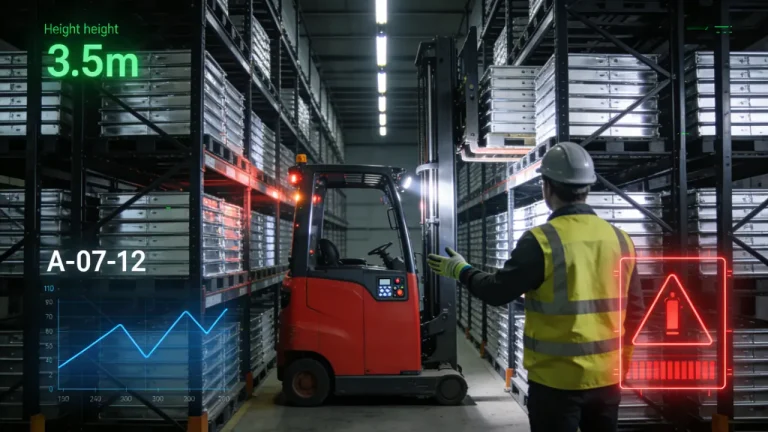
The cornerstone of enhancing safety through technology lies in real-time monitoring. This proactive approach has transformed the way safety is managed in environments where forklifts are extensively used. Consider these key aspects:
- Instantaneous Incident Response: Modern telemetry systems can detect and report incidents as they happen, allowing for immediate response. For example, sensors can detect sudden impacts or unusual forklift movements, triggering alerts to supervisors.
- Environmental Awareness: Advanced systems equip forklifts with the ability to sense their surroundings, reducing the risk of collisions. Technologies like LIDAR and ultrasonic sensors provide a 360-degree view around the forklift, significantly minimizing blind spots.
- Operator Behavior Monitoring: By monitoring operator behavior, such as speed, turning patterns, and braking habits, companies can identify and correct unsafe practices. This data is crucial for training and reinforcing safe driving habits.
Case Study: Safety Transformation
To illustrate the impact of technology on safety, let’s examine a real-world application. A warehouse implementing advanced telemetry systems observed the following changes:
- Reduction in Accident Rates: After the implementation of telemetry systems, the warehouse reported a 30% reduction in minor incidents and a 50% reduction in major accidents within the first year.
- Enhanced Operator Accountability: With data logging each operator’s performance, there was a noticeable improvement in adherence to safety protocols.
- Predictive Maintenance: The ability to predict maintenance needs reduced equipment failures, a common cause of accidents in forklift operations.
Data-Driven Safety Insights
Delving deeper into the case study, we find that data-driven insights played a pivotal role in enhancing safety:
- Customized Training Programs: Analysis of telemetry data allowed for the development of customized training programs, targeting specific areas of improvement for operators.
- Optimized Workflows: By analyzing traffic patterns and forklift usage, the warehouse was able to redesign workflows, reducing congestion and the potential for accidents.
The integration of technology in forklift operations has not only streamlined processes but has been instrumental in elevating safety standards. By harnessing the power of real-time data and predictive analytics, industries are now able to create safer, more efficient work environments. This transformation, driven by forklift telemetry, is a testament to the potential of technology in revolutionizing industrial safety.

Operational Efficiency and Cost-Effectiveness
In the industrial sector, the pursuit of operational efficiency and cost-effectiveness is a constant endeavor. The integration of forklift telemetry systems has brought a transformative impact in this regard, offering precise data that drives smarter decision-making.
Streamlining Operations with Data
Forklift telemetry systems provide a treasure trove of data that can be harnessed to enhance operational efficiency:
- Telemetry Sensors: Modern forklifts are equipped with sensors that record over 100 data points per minute, including speed, load weight, and engine status.
- GPS Tracking: GPS systems on forklifts provide location data accurate to within 2 meters, allowing precise tracking of movements and usage patterns.
- Load Sensing: Sensors detect load weights with an accuracy of ±5 kg, ensuring optimal load handling and preventing overloading incidents.
- Operational Metrics: Telemetry systems track key metrics like average lift cycle time (typically around 90 seconds) and idle times (often reduced by up to 20% with data insights).
Reducing Maintenance Costs
Predictive maintenance, enabled by telemetry data, significantly lowers maintenance costs and extends equipment lifespan:
- Fuel or Energy Consumption: Telemetry systems monitor fuel or energy usage, often identifying potential savings of up to 15% through optimized usage patterns.
- Maintenance Alerts: The systems provide maintenance alerts based on actual usage, which can extend the maintenance intervals by up to 25% compared to time-based schedules.
- Operator Behavior: Monitoring of operator behavior can lead to a reduction in incidents of rough handling, which typically account for around 30% of forklift maintenance issues.
- Remote Diagnostics: This feature can reduce diagnostic time by up to 50%, swiftly identifying issues without the need for physical inspections.
In-Depth Analysis of Telemetry Data
A closer examination of telemetry data reveals its extensive utility in fine-tuning forklift operations:
- Compliance and Safety: Telemetry systems ensure compliance with safety standards, reducing safety-related incidents by up to 40%.
- Integration with Fleet Management Systems: This integration provides a holistic view of the fleet, improving utilization rates by up to 20%.
- Data Analytics: Advanced analytics can process thousands of data points to optimize forklift routes, reducing travel distances by an average of 10%.
- Real-Time Reporting: Real-time data access allows for immediate adjustments, often leading to a 15% improvement in response times to operational challenges.
In summary, forklift telemetry systems are not just about tracking and monitoring; they are pivotal in enhancing operational efficiency and reducing costs. By leveraging detailed, real-time data, companies can make informed decisions that lead to significant improvements in their forklift operations.

Strategic Decision-Making with Forklift Data
In the dynamic world of industrial operations, strategic decision-making is crucial for maintaining a competitive edge. The advent of forklift telemetry has ushered in a new era of data-driven decision-making, empowering managers with actionable insights derived from forklift data.
Data-Driven Fleet Management
The integration of telemetry data into fleet management strategies has revolutionized how decisions are made:
- Telemetry Sensors: These sensors collect a variety of data points, such as engine temperature readings every 5 seconds, and hydraulic pressure measurements every 10 seconds.
- GPS Tracking: GPS systems provide real-time location tracking, updating every 30 seconds to ensure precise monitoring of forklift movements.
- Load Sensing: Load sensors measure weights with a sensitivity of up to 1 kg, allowing for accurate load management and distribution.
- Operational Metrics: Metrics like average engine run time (recorded at 6-hour intervals) and lift counts (logged after every operation) offer insights into usage patterns.
Enhancing Long-term Planning
Long-term planning benefits greatly from the rich data provided by forklift telemetry, enabling more informed and strategic decisions:
- Maintenance Scheduling: Telemetry data informs maintenance schedules based on actual equipment usage, with alerts for critical maintenance activities like oil changes (triggered after every 150 hours of engine operation).
- Fleet Optimization: Data on forklift utilization, such as hours of operation per day (typically ranging from 4 to 8 hours), assists in determining the optimal size and composition of the fleet.
- Energy Management: Monitoring energy consumption, with electric forklifts reporting kWh usage per charge cycle, helps in optimizing energy use and reducing costs.
Tailoring Strategies with Telemetry Insights
A deeper dive into telemetry data reveals its potential in tailoring strategies to specific operational needs:
- Operator Training Programs: Data on operator behavior, like frequency of sudden stops (recorded per shift), can be used to develop targeted training programs.
- Workflow Optimization: Analysis of forklift travel paths and idle times (measured in minutes per shift) helps in redesigning workflows for maximum efficiency.
- Compliance Monitoring: Telemetry systems track compliance-related metrics, such as adherence to designated speed limits (monitored continuously during operation), ensuring regulatory compliance.
Forklift telemetry has become an indispensable tool in strategic decision-making within industrial operations. By leveraging detailed, real-time data, managers can make informed decisions that enhance efficiency, optimize resource allocation, and ensure long-term operational success.
The Future of Industrial Operations
The industrial sector is on the cusp of a new era, with forklift telemetry playing a pivotal role in shaping its future. This section explores the emerging trends and technological advancements that are set to redefine the landscape of industrial operations.
IoT and Forklift Telemetry
The integration of the Internet of Things (IoT) with forklift telemetry is forging a path towards more interconnected and intelligent industrial environments:
- Advanced Sensor Integration: Future forklifts are expected to be equipped with an array of sensors, capable of measuring parameters like tire pressure every 2 seconds and detecting obstacles within a range of 1 meter.
- Enhanced Connectivity: With the advent of 5G, real-time data transmission from forklifts will become faster and more reliable, enabling more responsive decision-making.
- Predictive Analytics: Leveraging machine learning algorithms, telemetry systems will predict equipment failures before they occur, with accuracy levels exceeding current standards by up to 30%.
Preparing for a Tech-Driven Future
As industries gear up for this tech-driven future, several key areas are emerging as focal points:
- Workforce Training: Emphasis on training programs for operators to adapt to advanced forklift systems, focusing on skills like interpreting complex telemetry data.
- Cybersecurity Measures: With increased connectivity, the importance of robust cybersecurity measures becomes paramount to protect sensitive operational data.
- Sustainable Practices: Integration of telemetry with eco-friendly technologies, like electric forklifts that report energy usage in real-time, aiding in reducing carbon footprints.
Navigating the Challenges and Opportunities
The journey towards a more technologically advanced industrial sector is not without its challenges:
- Data Management: The sheer volume of data generated by advanced telemetry systems will require sophisticated data management solutions, capable of processing thousands of data points per hour.
- Regulatory Compliance: Keeping up with evolving regulations regarding data privacy and equipment safety will be crucial for companies.
- Cost-Benefit Analysis: Balancing the costs of implementing advanced telemetry systems with the long-term benefits they offer, especially in terms of operational efficiency and safety.
The future of industrial operations, guided by advancements in forklift telemetry and IoT, promises a landscape where efficiency, safety, and innovation go hand in hand. As we step into this future, the ability to adapt and embrace these changes will be key to staying ahead in the competitive industrial arena.

Conclusion
Reflecting on the Impact of Forklift Telemetry
As we navigate through the intricate landscape of industrial operations, the impact of forklift telemetry stands out as a beacon of progress and efficiency. This technology has not just revolutionized forklift management; it has redefined the very fabric of operational safety and efficiency.
From the precise monitoring of engine temperatures to the real-time tracking of forklift routes, telemetry has provided insights that were once deemed unattainable. The ability to predict maintenance needs based on actual usage data, rather than relying on generic schedules, exemplifies the shift towards a more data-driven, proactive approach in industrial management.
Looking Ahead: Embracing a Data-Driven Future
Looking ahead, the future of industrial operations appears intrinsically linked to the advancements in telemetry technology. The integration of IoT and the adoption of sophisticated data analytics promise to further enhance the capabilities of forklift management systems. As industries continue to evolve, the emphasis will increasingly be on harnessing the power of telemetry data to drive strategic decisions.
This evolution is not just about technological advancement; it’s about adopting a mindset that values data as a key asset in optimizing operations, ensuring safety, and driving growth. For companies like Teknect Global Inc., staying at the forefront of this technological wave is essential to maintain a competitive edge in an ever-changing industrial landscape.


I love how you explained this content. Thank you, it helps me a lot.
Our pleasure that is helpful to you, let’s keep in touch. Good day.