
forklift safety systems
A forklift accident. The potential for injuries, damaged equipment, and halted operations is enough to send shivers down your spine. But what if there was a way to significantly reduce these risks, create a safer work environment, and even boost efficiency? Enter the transformative world of forklift safety systems.
In this comprehensive guide, we’ll delve into the hidden costs of forklift accidents, explore how a culture of safety goes hand-in-hand with technology, and unpack the different types of forklift safety systems available. We’ll also help you navigate the selection process, identify the right systems for your specific needs, and explore how these advancements can ultimately enhance your bottom line. Buckle up, and let’s transform your forklift operations from a potential minefield into a zone of confidence and productivity.

Unveiling the High Costs of Forklift Accidents
Forklift accidents are more than just unfortunate events – they represent a devastating ripple effect that can impact your workforce, your operations, and your company’s reputation. Let’s take a closer look at the far-reaching consequences of forklift accidents, categorized into three crucial areas: human cost, financial cost, and reputational cost.
The Human Cost: Operator Injuries and Fatalities
The human cost of a forklift accident is the most profound and heartbreaking consequence. Every year, forklift accidents cause serious injuries and even fatalities to operators and pedestrians in warehouse environments.
- Worker Injuries: Forklift accidents can result in a wide range of injuries, from minor bumps and bruises to broken bones, spinal cord injuries, and even amputations. These injuries can have a life-altering impact on the worker involved, causing immense physical and emotional pain, and potentially leading to long-term disabilities.
- Psychological Trauma: Witnessing a forklift accident can be a deeply traumatic experience for all those involved, including co-workers and bystanders. The psychological effects of such an event can lead to anxiety, depression, and post-traumatic stress disorder, impacting overall workplace morale and productivity.
According to the Bureau of Labor Statistics (BLS), in 2021, there were over 7,800 nonfatal workplace injuries involving forklifts reported. These statistics paint a sobering picture of the human cost associated with forklift accidents.
The Financial Cost: Forklift Damage, Product Loss, and Downtime
Beyond the human cost, forklift accidents also inflict a significant financial blow on your operations. Here’s a breakdown of the various financial burdens you might face:
- Direct Costs: The immediate aftermath of a forklift accident involves direct costs such as repairing damaged equipment, replacing lost or damaged products, and covering medical expenses for injured workers. These costs can quickly escalate depending on the severity of the accident. For instance, repairing a damaged forklift can range from a few thousand dollars to a complete write-off depending on the extent of the damage.
- Indirect Costs: The hidden financial burdens of a forklift accident often lie in the indirect costs. These include lost productivity due to downtime, worker absence during recovery, potential fines from regulatory agencies for safety violations, and increased insurance premiums. A single accident can disrupt your entire workflow, leading to delays in fulfilling orders and potentially impacting customer satisfaction.
Here’s a table summarizing some of the potential financial costs associated with forklift accidents:
| Cost Category | Description | Example |
|---|---|---|
| Direct Costs | Repairing damaged forklift | Replacing a mast damaged in a tip-over accident: $10,000 – $20,000 |
| Direct Costs | Medical expenses for injured worker | Back surgery for a forklift operator: $50,000 – $100,000 |
| Direct Costs | Replacing lost or damaged products | Damaged inventory due to a dropped pallet: $25,000 |
| Indirect Costs | Lost productivity | Production shutdown for repairs following an accident: $10,000 per hour of downtime |
| Indirect Costs | Worker absence | Forklift operator on medical leave for recovery: Lost wages and potential need for temporary replacement |
| Indirect Costs | Increased insurance premiums | Insurance company raising premiums due to a history of accidents |
By minimizing forklift accidents, you can significantly reduce these financial burdens and ensure the smooth operation of your warehouse.

The Reputational Cost: Lawsuits, Fines, and Negative Publicity
The consequences of a forklift accident can extend far beyond your warehouse walls and impact your company’s reputation. Here’s how:
- Lawsuits: If a forklift accident results in serious injury or death, your company could face a hefty lawsuit. These lawsuits can be incredibly expensive to defend, even if you ultimately prevail. The legal fees and potential settlements can significantly drain your resources and damage your bottom line.
- Fines and Regulatory Scrutiny: Forklift accidents can trigger investigations by Occupational Safety and Health Administration (OSHA) or other regulatory bodies. These investigations can result in fines for safety violations, further adding to the financial burden. More importantly, a history of safety violations can negatively impact your company’s public image and make it difficult to attract and retain qualified employees.
- Negative Publicity: In today’s digital age, news of a forklift accident can spread quickly through social media and industry publications. Negative publicity can damage your brand reputation and erode customer trust. This can have a long-term impact on your sales and overall market position.
Investing in forklift safety systems is not just about protecting your workers and your equipment; it’s about safeguarding your company’s reputation. By prioritizing safety, you demonstrate your commitment to a responsible work environment, which fosters trust and loyalty with your customers and stakeholders.
Building a Culture of Forklift Safety: Beyond the Systems
Forklift safety systems are a powerful tool, but they are not a magic bullet. To create a truly safe working environment, you need to cultivate a culture of safety that permeates every aspect of your forklift operations. This three-pronged approach focuses on empowering your operators, establishing clear guidelines, and maintaining your equipment:
Invest in Comprehensive Forklift Operator Training
- Equipping Your Workforce: Thorough forklift operator training is the cornerstone of a safe workplace. It equips your operators with the knowledge, skills, and confidence they need to navigate the warehouse environment safely and efficiently.
- Beyond the Basics: Effective training goes beyond the fundamental operation of a forklift. It should cover topics like load handling techniques, pre-operation checks, hazard identification, safe maneuvering practices, and emergency procedures.
Think of it this way: A well-trained operator is not just someone who can move pallets around; they are an ambassador for safety, actively promoting safe practices and setting a positive example for their colleagues.
Enforce Strict Safety Protocols and Procedures
- Clear Expectations and Consistent Enforcement: Having clear and well-defined safety protocols in place is essential. These protocols should outline safe operating procedures, designated traffic lanes for pedestrians and forklifts, speed limits, and proper load capacities.
- Zero Tolerance for Unsafe Behavior: Consistent enforcement of these protocols sends a strong message that safety is a top priority. This might involve implementing a system of warnings and disciplinary actions for violations.
It’s important to strike a balance. While strict enforcement is necessary, it should be coupled with open communication and a commitment to continuous improvement. Regular safety meetings and feedback sessions can help identify areas for improvement and foster a sense of ownership among your operators.
Here’s a table outlining some key safety protocols you might consider implementing:
| Safety Protocol | Description |
|---|---|
| Designated Traffic Lanes | Separate designated lanes for pedestrian and forklift traffic to minimize the risk of collisions. |
| Speed Limits | Enforce safe speed limits for forklifts throughout the warehouse. |
| Seatbelt Policy | Mandate the use of seatbelts at all times while operating a forklift. |
| Pre-Operation Checks | Require operators to conduct thorough pre-operation checks of their forklifts before each shift. |
| Load Capacity Limits | Clearly define the maximum weight capacity for each forklift model and enforce proper load handling techniques. |
By establishing clear expectations and ensuring consistent enforcement, you can significantly reduce the risk of accidents and create a culture of accountability within your team.
Regularly Conduct Safety Inspections and Maintenance
- Preventive Maintenance: Regular forklift inspections and preventive maintenance are crucial for preventing accidents caused by equipment failure. A proactive approach ensures your forklifts are in top condition and operating safely.
- Scheduled Maintenance Programs: Develop a comprehensive maintenance program that adheres to the manufacturer’s recommendations. This program should include routine inspections of brakes, tires, hydraulic systems, and mast components.
- Daily Operator Checks: In addition to scheduled maintenance, empower your operators to conduct daily pre-operation checks. A simple checklist can help them identify any minor issues before they escalate into major problems.
Think of your forklifts as an investment. By prioritizing regular maintenance, you’re not just safeguarding your employees; you’re also extending the lifespan of your equipment and maximizing your return on investment.

Empowering Your Team: The Role of Forklift Safety Systems
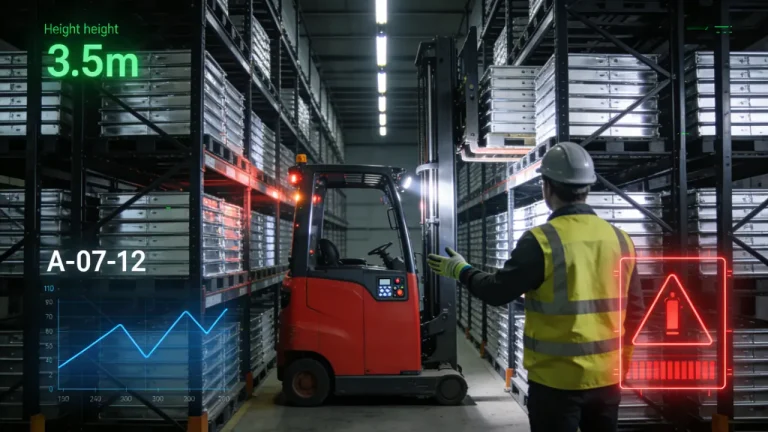
Imagine your forklift operators as highly skilled professionals, but with an extra set of eyes and a guardian angel by their side. That’s the power of forklift safety systems. These advanced technological advancements work seamlessly with your operators, providing real-time feedback, automated interventions, and crucial alerts to prevent accidents and keep everyone safe. Let’s delve into the different categories of forklift safety systems and how they empower your team:
Forklift Operator Awareness Systems (FOAS)
FOAS systems act as an extra set of eyes for your operators, helping them navigate busy warehouse environments and mitigate blind spot hazards. Here are some of the key functionalities within FOAS:
- Pedestrian Detection Systems: These systems utilize radar, LiDAR, or camera technology to detect pedestrians in the vicinity of the forklift. If a pedestrian enters a designated warning zone, the system triggers an audible or visual alert, prompting the operator to slow down or stop.
- Blind Spot Warning Systems: Blind spot zones on either side of the forklift pose a significant risk. Blind spot warning systems use strategically placed sensors to detect objects in these zones and alert the operator with an audible or visual signal.
- Zone Interlocking Systems: These systems restrict forklift movement in designated areas where pedestrians might be present. For instance, a zone interlocking system might prevent a forklift from entering a doorway until a pedestrian has cleared the area.
By providing real-time awareness of their surroundings, FOAS empowers operators to make informed decisions and navigate the warehouse with increased confidence.
Forklift Stability Control Systems
Forklift stability control systems act as a safety net, helping to prevent tip-over accidents – a leading cause of forklift-related injuries. Here’s a breakdown of some key functionalities within stability control systems:
- Load Centering and Tilt Control: These systems monitor the forklift’s center of gravity and the mast’s tilt angle. If the load becomes unbalanced or the mast is tilted excessively, the system can automatically reduce power or limit mast movement, preventing the forklift from tipping over.
- Speed Limiting Systems: Excessive speed is a major contributing factor to forklift instability. Speed limiting systems enforce pre-set speed restrictions based on factors like travel direction, fork position, and load weight. This helps to ensure operators maintain safe speeds, particularly when cornering or maneuvering on uneven surfaces.
- Mast Control Systems: Mast control systems regulate the mast’s movement, preventing jerky motions that could destabilize the forklift. These systems can also limit the maximum mast height depending on the load weight, ensuring the forklift remains within its safe operating range.
Stability control systems provide a crucial layer of protection, especially for newer or less experienced operators. They give you peace of mind knowing that even in unexpected situations, the forklift has built-in safeguards to prevent tip-over accidents.
Forklift Collision Avoidance Systems
Forklift collision avoidance systems take accident prevention a step further by actively mitigating the risk of collisions between forklifts and other warehouse objects. Here’s a look at some of the technologies employed in these systems:
- Radar and LiDAR Technology: These systems use radar or LiDAR sensors to detect objects in the path of the forklift. Radar transmits and receives radio waves to determine the distance and direction of objects, while LiDAR uses pulsed laser light to create a detailed 3D map of the surrounding environment. When an imminent collision is detected, the system triggers an audible and visual alert, prompting the operator to take evasive action.
- Video Camera and Machine Vision Systems: Video camera systems utilize high-resolution cameras and machine vision software to identify objects and pedestrians in the forklift’s path. The software can be programmed to recognize specific hazards, such as oncoming forklifts or misplaced pallets. If a potential collision is detected, the system activates an alarm, similar to radar and LiDAR systems.
- Audio and Visual Alerts: All collision avoidance systems rely on clear and attention-grabbing alerts to warn operators of potential dangers. These alerts can be a combination of flashing lights, loud alarms, or even seat vibrations to ensure the operator receives the message in a timely manner.
By combining these technologies, forklift collision avoidance systems create a virtual protective zone around the forklift, safeguarding your operators, pedestrians, and valuable equipment. Imagine the peace of mind knowing your team has this extra layer of defense against costly and potentially devastating accidents.

Selecting the Right Forklift Safety Systems for Your Needs
Forklift safety systems are not a one-size-fits-all solution. With a wide range of technologies available, it’s crucial to choose the systems that best address the specific hazards and needs of your unique warehouse environment. Here’s a roadmap to guide you through the selection process:
Identify Your Specific Workplace Hazards
The first step is to conduct a thorough hazard assessment of your warehouse. This involves pinpointing areas with a high risk of accidents. Here are some key questions to consider:
- Traffic Flow: Do pedestrian walkways intersect with forklift traffic lanes?
- Blind Spots: Are there areas with limited visibility, such as corners or narrow aisles?
- Forklift Stability Concerns: Do you have uneven surfaces, ramps, or tight corners that could increase the risk of tip-overs?
- Load Handling Challenges: Do you regularly handle oversized or unbalanced loads?
By understanding your specific risk profile, you can prioritize the functionalities you need most in a forklift safety system. For instance, if pedestrian traffic is a major concern, you might prioritize pedestrian detection systems or zone interlocking systems.
Here are some of the forklift safety systems mentioned and how they can address specific hazards:
- AGV Guard Proximity Safety System: These systems are ideal for warehouses with automated guided vehicles (AGVs) operating alongside forklifts. They create a virtual safety zone around the AGV, preventing collisions with forklifts.
- Laser Collision Prevention System: These systems utilize laser technology to detect objects in the path of the forklift and trigger alerts to avoid collisions with racking, walls, or other forklifts.
This is not an exhaustive list, and there are many other forklift safety systems available. The key is to tailor your selection to the specific challenges you face in your warehouse.
Consider Your Budget and Fleet Size
Forklift safety systems represent an investment in safety and efficiency. While the upfront cost can seem significant, the long-term return on investment (ROI) is undeniable when you factor in accident prevention, reduced downtime, and potential insurance premium reductions.
- Cost Considerations: Forklift safety systems vary in price depending on the technology employed, the number of features included, and the number of forklifts you need to equip. Consider the cost per unit and factor in any potential installation fees.
- Fleet Size: The number of forklifts in your fleet will also influence your budget. Equipping a large fleet can be more cost-effective when you negotiate bulk pricing or explore leasing options for the systems.
Here’s a table to help you consider the cost-benefit analysis:
| Factor | Description |
|---|---|
| Upfront Cost of Systems | Includes the purchase price and any installation fees. |
| Return on Investment (ROI) | Reduced accidents, improved efficiency, and potential insurance premium reductions. |
| Long-Term Cost Savings | Consider the potential financial burden of accidents, including worker injuries, equipment damage, and downtime. |
By carefully weighing the costs against the long-term benefits, you can make an informed decision that aligns with your budget and safety goals.
For instance, an AI Forklift Safety System might be a high-tech solution packed with features, but if your primary concern is preventing blind spot collisions, a strategically placed Blind Spot Warning System might be a more budget-friendly option that effectively addresses that specific hazard.
Ensure Compatibility with Existing Forklifts
Not all forklift safety systems are universally compatible with every forklift model. Before you invest, ensure the systems you’re considering can be seamlessly integrated with your existing fleet. Here are some key factors to consider:
- Forklift Make and Model: Different forklift manufacturers might have specific compatibility requirements for safety systems. Consult your forklift manuals or contact the safety system vendors to confirm compatibility.
- Electrical Systems: Forklift safety systems often require integration with the forklift’s electrical system for power and data exchange. Ensure your forklifts have the necessary electrical capacity and compatible connectors.
- Physical Installation: Some systems might require modifications to the forklift for mounting sensors or cameras. Consider the ease of installation and any potential downtime associated with the process.
By ensuring compatibility, you avoid costly integration hurdles and ensure the forklift safety systems function optimally with your existing equipment.
Seek Expert Advice and System Integration
The world of forklift safety systems can be vast and ever-evolving. Don’t hesitate to seek guidance from qualified professionals. Here’s how they can help:
- Risk Assessment Expertise: Safety consultants can conduct a thorough risk assessment of your warehouse and recommend the most suitable forklift safety systems for your specific needs.
- System Selection and Integration: They can help you navigate the different systems available, identify compatible options for your forklifts, and recommend reputable vendors.
- Installation and Training: Qualified technicians can ensure proper installation and configuration of the forklift safety systems. They can also provide training for your operators on how to use the new systems effectively.
Investing in expert advice can save you time, money, and ensure you get the right safety systems in place to protect your workforce and optimize your operations.
Enhancing Efficiency Through Forklift Safety Systems
Forklift safety systems might seem like an expense, but they’re actually a strategic investment in the long-term success of your warehouse operations. By preventing accidents and near misses, boosting operator confidence, and potentially lowering insurance premiums, these systems can significantly enhance your overall efficiency and profitability. Let’s delve into how:
Reduced Forklift Accidents and Near Misses
- Peace of Mind and Fewer Disruptions: Accidents and near misses not only cause injuries and damage, but they also disrupt your entire workflow. Forklift safety systems act as a safety net, minimizing these disruptions and allowing your operations to run smoothly and efficiently.
- Focus on the Task at Hand: When operators feel confident in their surroundings and have the support of safety systems, they can focus their attention on the task at hand, minimizing errors and maximizing productivity.
According to a study by the National Institute for Occupational Safety and Health (NIOSH), implementing forklift safety systems can reduce forklift-related injuries by up to 60%. This translates to fewer disruptions, lower downtime costs, and a safer work environment for everyone.
Here’s a table outlining some of the potential financial benefits of reduced accidents and near misses:
| Cost Category | Description | Example |
|---|---|---|
| Direct Costs | Repairing damaged equipment | Replacing a damaged mast: $10,000 – $20,000 |
| Direct Costs | Medical expenses for injured worker | Back surgery for a forklift operator: $50,000 – $100,000 |
| Indirect Costs | Lost productivity | Production shutdown for repairs following an accident: $10,000 per hour of downtime |
Improved Operator Confidence and Productivity
- Empowered Operators: Forklift safety systems don’t replace skilled operators; they empower them. By providing real-time feedback, automated interventions, and helpful alerts, these systems give operators the confidence they need to navigate complex warehouse environments efficiently.
- Reduced Stress and Fatigue: The constant worry about potential accidents can be a major source of stress and fatigue for forklift operators. Safety systems alleviate these anxieties, allowing operators to focus their energy on completing tasks safely and productively.
Imagine the difference between an operator who is constantly worried about blind spots and an operator who has a blind spot warning system constantly looking out for them. The empowered operator can move pallets with confidence, knowing they have an extra layer of protection. This translates into a more productive and efficient workforce.
Here are some additional factors that contribute to improved operator confidence and productivity:
- Reduced Training Time: Forklift safety systems can simplify training processes by providing visual aids and automated features that reinforce safe practices.
- Fewer Equipment Inspections: Some safety systems can perform automated pre-operational checks, freeing up valuable time for operators to focus on their core tasks.
By investing in operator confidence and productivity, you’re investing in the backbone of your warehouse operations.

Lower Insurance Premiums and Overall Operating Costs
- Reduced Risk Profile: A strong commitment to safety, as demonstrated by implementing forklift safety systems, can positively impact your insurance premiums. Insurance companies reward businesses that take proactive steps to minimize risk and create a safer working environment.
- Long-Term Cost Savings: The financial benefits of forklift safety systems extend far beyond reduced insurance premiums. By preventing accidents and near misses, you can avoid a cascade of hidden costs, such as downtime for repairs, worker compensation claims, and potential fines from regulatory agencies.
Let’s look at a hypothetical scenario. Imagine a warehouse that experiences a forklift accident every other year, resulting in an average cost of $20,000 (equipment damage, medical expenses, lost productivity). Over a five-year period, these accidents would total $100,000. Forklift safety systems, with a one-time investment of $20,000 per forklift (let’s say you equip 10 forklifts), could potentially prevent these accidents entirely. This translates to a net saving of $80,000 over five years, not to mention the intangible benefits of a safer workplace and a more positive company culture.
Forklift safety systems are not just about safeguarding your employees; they’re about safeguarding your bottom line. By creating a culture of safety and equipping your operators with the right tools, you can achieve a win-win situation – a safer workplace and a more efficient, profitable warehouse operation.
The Future of Forklift Safety: Emerging Technologies
The world of forklift safety is constantly evolving, with new technologies emerging that promise even greater levels of protection and efficiency. Here’s a glimpse into what the future holds:
Advanced Driver-Assistance Systems (ADAS)
Imagine a co-pilot for your forklift operators, constantly monitoring their surroundings and offering real-time guidance. Advanced Driver-Assistance Systems (ADAS) are rapidly transforming the automotive industry, and similar systems are making their way into forklifts. Here are some potential functionalities of ADAS in forklifts:
- Automatic Emergency Braking (AEB): This technology can detect impending collisions and automatically apply the brakes to prevent accidents.
- Lane Departure Warning (LDW): LDW systems can alert operators if they veer off course, helping them maintain safe travel within designated lanes.
- Traffic Sign Recognition (TSR): TSR systems can recognize speed limit signs and other important roadway signage, prompting operators to adjust their behavior accordingly.
By providing additional support and feedback, ADAS has the potential to significantly reduce human error – a major contributing factor to forklift accidents.
Telematics and Data-Driven Safety Insights
The future of forklift safety is driven by data. Telematics systems collect a wealth of information about forklift operation, including speed, location, and mast usage. This data can be analyzed to identify risky behaviors and potential safety hazards. Here are some ways telematics can be leveraged to enhance safety:
- Identifying Unsafe Operators: Telematics data can reveal patterns of speeding, harsh braking, or improper lifting techniques. This information can be used for targeted coaching and training interventions to address these unsafe behaviors.
- Predictive Maintenance: By monitoring sensor data, telematics systems can predict when a forklift might require maintenance, preventing breakdowns and potential safety issues.
- Real-Time Location Tracking: Knowing the exact location of each forklift within the warehouse allows for improved traffic flow management and faster response times in case of emergencies.
Telematics empowers you to move from a reactive to a proactive approach to safety, addressing potential problems before they escalate into accidents.
The Rise of Autonomous Forklifts
While fully autonomous forklifts might seem like something out of science fiction, they are no longer the stuff of dreams. Several manufacturers are developing autonomous forklift technology, and controlled trials are already underway in some warehouse environments. Here’s a look at what autonomous forklifts might offer:
- Enhanced Efficiency and Productivity: Autonomous forklifts can operate 24/7 without breaks, potentially revolutionizing warehouse operations by allowing extended hours and optimized workflow.
- Reduced Risk of Human Error: Since human error is a major factor in forklift accidents, autonomous systems programmed with safety protocols could significantly reduce the risk of incidents.
- Improved Working Conditions: Autonomous forklifts can take over repetitive and potentially dangerous tasks, allowing human operators to focus on more strategic work.
However, the integration of autonomous forklifts also presents challenges:
- Regulatory Landscape: Clear regulations and safety standards need to be established to govern the use of autonomous vehicles in warehouse environments.
- Job Displacement Concerns: The widespread adoption of autonomous forklifts could lead to job displacement for some forklift operators. However, it’s important to consider that these systems might create new opportunities for human oversight and support roles.
The future of autonomous forklifts is still unfolding, but one thing is certain: they have the potential to transform the forklift industry, ushering in a new era of efficiency and safety.
Conclusion: Building a Safety Culture for a Brighter Future
Forklift safety is not just about implementing the latest technology; it’s about cultivating a culture of safety that permeates every aspect of your warehouse operations. By empowering your operators, establishing clear protocols, and investing in preventative measures, you can create a work environment where everyone feels safe and valued.
As technology continues to evolve, the future of forklift safety is brimming with possibilities. From the enhanced awareness provided by ADAS to the data-driven insights gleaned from telematics, we can expect even more innovative solutions that elevate safety standards. While autonomous forklifts hold the promise of revolutionizing efficiency, careful consideration must be given to regulations and potential workforce impacts.
The journey towards a safer future begins with a commitment from leadership. By prioritizing safety and investing in the well-being of your employees, you can not only prevent accidents and their devastating consequences, but also foster a motivated and productive workforce. Remember, a safe warehouse is not just a happy warehouse, it’s a successful warehouse.


Very insightful overview of forklift safety systems—clear, practical, and highly useful for improving workplace safety!