

10 Forklift Safety Rules in Warehouse You Can’t Afford to Ignore
Forklift safety rules in warehous are not just a set of guidelines; they are essential protocols that protect workers, equipment, and inventory from costly and potentially deadly accidents. As a marketing manager working for Teknect Global Inc., I’ve seen firsthand how quickly things can go wrong when these rules aren’t followed. Implementing proper safety measures can be a game-changer for any warehouse, enhancing not only safety but also efficiency and overall productivity. Let’s dive into the ten most crucial forklift safety rules that every warehouse must adhere to for optimal safety.
1. Conduct a Comprehensive Forklift Hazards Assessment
Before anything else, it’s essential to conduct a forklift hazards assessment in your warehouse. Imagine this as a safety blueprint that identifies all the potential hazards that could lead to accidents. From blind corners where visibility is low to congested areas where forklifts and pedestrians frequently cross paths, these assessments help you map out risk zones and determine necessary safety measures.
- Identify High-Risk Areas: Pinpoint locations where accidents are more likely, such as narrow aisles, intersections, and areas with poor lighting.
- Evaluate Traffic Flow: Assess how forklifts and foot traffic interact and adjust routes or add barriers to keep them separate.
- Assess the Condition of the Floor: Look for uneven surfaces, debris, or spills that can cause forklifts to skid or tip over.
- Update Regularly: As warehouse layouts and operations evolve, so should your hazards assessment to keep safety measures relevant and effective.
A proactive hazards assessment can significantly reduce risks, making it easier to implement targeted safety measures that protect everyone in the warehouse.

2. Implement Mandatory Forklift Safety Training for Operators
Safety training isn’t just about ticking a box; it’s about equipping your forklift operators with the knowledge and skills to navigate complex and often dangerous environments safely. I remember working with a client who was initially skeptical about the need for ongoing training—until they experienced a costly accident that training could have easily prevented. Proper training should cover everything from basic forklift operations to advanced safety protocols.
- Core Training Topics: Operators should learn how to handle equipment safely, recognize potential hazards, and understand their responsibilities in maintaining workplace safety.
- Continuous Education: Safety training shouldn’t stop after the initial course. Regular refresher courses keep safety top-of-mind and address any new challenges that arise in the warehouse.
- Simulation Exercises: Incorporate virtual reality or hands-on simulations to allow operators to practice in a risk-free environment.
- Certifications and Compliance: Ensure all operators are certified and comply with current forklift safety standards to avoid violations and penalties.
Effective training empowers forklift operators to make safe decisions on the floor, reducing accidents and boosting confidence.

3. Establish Clear Warehouse Pedestrian Safety Zones
One of the most critical aspects of forklift safety is managing pedestrian traffic within the warehouse. A friend of mine who manages a busy distribution center once told me about a close call between a forklift and a pedestrian that could have been avoided with better safety zones. Designating pedestrian-only areas is not just about safety—it’s about creating a structured environment where everyone knows their place.
- Clearly Marked Zones: Use bright paint, signs, and barriers to distinguish between forklift and pedestrian areas.
- Designated Crossing Points: Set up crossing points with proper signage to control where pedestrians can cross forklift paths safely.
- Barrier Systems: Physical barriers like guardrails can effectively separate pedestrian walkways from forklift operation safety zones.
- Training for Pedestrians: Educate warehouse staff on pedestrian safety rules, including avoiding forklift zones and using designated walkways.
These zones create a safer workspace by minimizing the chances of forklifts and pedestrians crossing paths unexpectedly.

4. Enforce the Use of Personal Protective Equipment (PPE)
The importance of PPE in forklift safety can’t be overstated. I’ve visited countless warehouses where a simple helmet or high-visibility vest has made all the difference in preventing injuries. PPE acts as a final layer of defense, especially in environments where forklifts are operating near pedestrians.
- High-Visibility Gear: Ensures that operators and pedestrians are easily seen, reducing the likelihood of accidents in busy areas.
- Foot Protection: Steel-toe boots protect against heavy objects and reduce the risk of foot injuries in high-traffic zones.
- Helmets and Gloves: Provide additional protection for operators working near heavy machinery or in areas where overhead hazards are present.
- Regular PPE Checks: Conduct regular inspections to ensure PPE is in good condition and that employees are using it correctly.
Making PPE mandatory helps create a safer environment by adding an extra layer of protection against common warehouse hazards.
5. Regular Pre-Shift Forklift Safety Inspections
Daily forklift inspections might seem tedious, but they are a critical component of forklift safety that can prevent accidents before they happen. Think of it like a pre-flight check for an airplane—without it, you’re taking unnecessary risks. Ensuring forklifts are in good working order each day can prevent mechanical failures that lead to accidents.
- Checklist Essentials: Check brakes, lights, tires, and horns to ensure everything is functioning correctly before use.
- Fluid Levels and Leaks: Inspect hydraulic fluids, engine oil, and coolant levels to prevent overheating and mechanical failure during operation.
- Operational Tests: Conduct basic operational tests, such as raising and lowering the forks, to confirm the forklift is responsive and safe to use.
- Document Findings: Keep records of each inspection and address any issues immediately to prevent them from escalating.
These pre-shift inspections help keep forklifts running smoothly, ensuring that only safe, reliable equipment is used.

6. Maintain a Strict Forklift Speed Limit in the Warehouse
Speeding is a significant factor in many forklift-related accidents. I once spoke to an operator who admitted that a little “speed boost” now and then felt like it helped him get the job done faster. However, one misjudgment at high speed resulted in damaged inventory and almost injured a coworker. Enforcing speed limits is a critical step in maintaining control over forklift operations.
- Speed Limiter Installation: Equip forklifts with speed limiters that automatically reduce speed in high-risk areas.
- Clearly Posted Signs: Display speed limit signs prominently throughout the warehouse to remind operators of safe speeds.
- Regular Monitoring: Use telematics systems to monitor speed and address violations immediately with retraining or disciplinary measures.
- Adjust Speeds in Specific Zones: Implement different speed limits for areas such as loading docks, aisles, and open spaces based on the level of activity.
Maintaining a controlled speed allows operators to react appropriately to unexpected obstacles, significantly reducing the risk of collisions.

7. Develop a Forklift Workplace Safety Program
Creating a formal workplace safety program tailored to forklift operations helps set clear expectations and establishes a culture of safety. When I first joined Teknect Global Inc., one of the first initiatives we launched was a comprehensive safety program. The impact was immediate—accidents dropped, and overall morale improved because employees felt more secure.
| Program Element | Description |
|---|---|
| Safety Protocols | Clearly defined rules for operating forklifts, including speed limits and PPE. |
| Accident Reporting Procedures | Step-by-step guidance on how to report and document incidents quickly. |
| Ongoing Training | Regular training sessions to keep safety knowledge up to date. |
| Safety Audits | Periodic audits to review safety measures and identify areas for improvement. |
A well-structured safety program not only reduces accidents but also reinforces a commitment to a safe working environment.
A successful workplace safety program includes not just rules and training but also leveraging advanced technologies to optimize safety and efficiency. Teknect Global Inc.’s Fleet Management System offers comprehensive insights into forklift usage, performance, and safety compliance, empowering decision-makers to make data-driven improvements.
- Features: The system provides real-time data on forklift operations, including speed, location, and maintenance needs, helping to prevent safety violations before they happen.
- Impact: By integrating fleet management into your safety program, you ensure that forklifts are used correctly, maintained regularly, and operated within established safety standards.

8. Use Forklift Anti-Collision Systems and Safety Monitoring Tools
Embracing technology can drastically improve forklift safety in warehouses. Forklift Anti-collision systems, such as sensors and alarms, provide real-time feedback to operators, helping them avoid obstacles and navigate crowded spaces safely. During a recent project, we equipped a client’s fleet with these tools, resulting in a 30% reduction in near-miss incidents.
- Obstacle Detection Sensors: These sensors alert operators when an object or person is within a dangerous proximity, allowing time to stop or adjust course.
- 360-Degree Cameras: Provide operators with a full view of their surroundings, eliminating blind spots that could lead to collisions.
- Telematics Systems: Track forklift performance and operator behavior, providing valuable data that can be used to improve safety protocols.
- Automatic Braking: Some advanced systems can automatically slow down or stop the forklift when an obstacle is detected, further enhancing safety.
Advance Forklift Safety Technology
Modern technology plays a critical role in enhancing forklift safety, and Teknect Global Inc. offers some of the most advanced solutions to keep your warehouse operations safe and efficient. Our suite of safety systems, including the AI Forklift Safety System, AGV Guard Proximity Safety System, and Laser Collision Prevention System, provides real-time monitoring and proactive prevention of potential collisions.
- AI Forklift Safety System: This system leverages artificial intelligence to detect obstacles, pedestrians, and other forklifts, automatically alerting the operator and, if necessary, applying brakes to prevent accidents. It’s like having an extra pair of eyes on the job, ensuring that safety is always the top priority.
- AGV Guard Proximity Safety System: Designed specifically for Automated Guided Vehicles (AGVs) and forklifts, this system uses advanced proximity sensors to maintain a safe distance between vehicles and pedestrians. By creating dynamic safety zones, it reduces the risk of collisions in high-traffic areas, enhancing overall warehouse safety.
- Laser Collision Prevention System: Equipped with high-precision laser sensors, this system detects obstacles with incredible accuracy, even in complex environments. It provides immediate feedback to the operator, helping to avoid accidents in narrow aisles, busy intersections, and blind spots.

These technologies not only protect operators and pedestrians but also contribute to a more efficient and incident-free warehouse environment.
9. Establish Forklift Parking and Maintenance Protocols
Improper parking and neglected maintenance are often overlooked but can lead to significant safety issues. I once toured a warehouse where forklifts were haphazardly parked, creating tripping hazards and blocking emergency exits. Proper parking and maintenance procedures are vital for maintaining a safe and organized workspace.
- Designated Parking Areas: Ensure forklifts are parked in assigned spots away from pedestrian pathways and emergency access points.
- Secure the Equipment: When parking, always lower the forks, apply the brakes, and turn off the engine to prevent accidental movement.
- Routine Maintenance Checks: Schedule regular maintenance to keep forklifts in optimal working condition, reducing the risk of breakdowns or malfunctions.
- Maintenance Logs: Keep detailed records of all maintenance activities to track repairs, replacements, and ensure compliance with safety standards.
Consistent adherence to these protocols helps avoid unnecessary accidents and keeps forklifts in prime operating condition.

10. Promote Open Communication on Safety Concerns
Creating an environment where employees feel comfortable reporting safety concerns is essential for a proactive approach to workplace safety. In one warehouse I worked with, introducing a simple suggestion box led to valuable insights that helped improve safety protocols.
- Encourage Reporting: Set up easy and anonymous ways for employees to report safety concerns without fear of retribution.
- Regular Safety Meetings: Host meetings to discuss safety issues, review recent incidents, and brainstorm solutions as a team.
- Reward Safety Suggestions: Recognize employees who contribute valuable safety insights, reinforcing the importance of communication.
- Act on Feedback: Address reported issues promptly and visibly to demonstrate that safety concerns are taken seriously.
Open communication fosters a collaborative atmosphere where safety is a shared responsibility, making the warehouse a safer place for everyone.
Conclusion
By implementing these essential forklift safety rules, warehouses can significantly reduce risks, protect workers, and maintain smooth operations. From conducting comprehensive forklift hazards assessments to embracing new technologies and fostering open communication, every step contributes to a safer and more efficient working environment. Remember, the safety of your warehouse doesn’t just depend on rules; it depends on the people who follow them and the culture that supports them. Prioritize these measures today to safeguard your most valuable assets—your people.


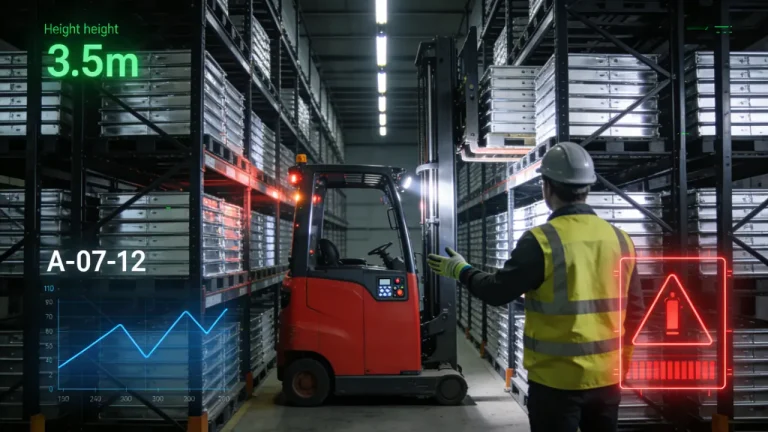


This guide on forklift safety rules provides valuable insights for maintaining a secure and efficient warehouse environment. A must-read for anyone looking to improve workplace safety practices.
Thanks Neha, I think we have the same customers that are interested in forklift satety products.forklift safety is an important question that most logistic manager should consider which can improve cost and productivity, we offer full forklift safety solution for the fleet management, welcome to visit our product page and home page.
thanks Neha, we are professional safety solution for forklift, you can check our product page, most of them will help you for forklift satety and forklift management, if you are interest in, please send us email for demo
Thanks for sharing this comprehensive guide on warehouse safety! The clear rules around proper training, load handling, and forklift operation offer valuable best practices for keeping teams safe and operations running smoothly.
Thanks for your comment for this article, hope that will help with you